
amaea RMx remediation for wine taints and faults
Selective remediation of impacted wines.
Traditional methods for remediating wine taints and faults often sacrifice as much as they solve, either masking or stripping aromatics, color, and the characteristics that define your wine’s quality and market value.
amaea RMx delivers a different approach. Using molecularly imprinted polymer technology, our wine taint solution targets specific fault compounds at the molecular level, restoring value without compromise.
Featured Applications
-

Pyrazine Remediation
Selective wine taint removal remediates green aromas by targeting the removal of pyrazines in wine
-
Brettanomyces Remediation
Selectively reduce the primary ethyl odorants responsible for Brettanomyces-impacted wine.
-
Oxidation Remediation
Address wines impacted by oxidation through selective removal, helping to restore wine value and quality.
-

Sulfide Treatment
Restore wine quality and value by selectively removing sulfur compounds with targeted MIP-based treatment.
FEATURED WINE TAINT REMEDIATION CASE STUDIES
Selective Pyrazine Remediation Advances Napa Valley Cabernet Sauvignon Up a Tier
A wine held back by pronounced green notes, Sonoma Bespoke adopted amaea RMx to selectively remove the offending pyrazines to reveal the varietal’s natural ripe fruit character. The treatment was completed on-site in under two days, and real-time tasting enabled winemaker, Joe Uhr to stop the process the moment the wine hit his stylistic target with the resulting wine advancing up a price tier.
Why international winemakers trust our wine remediation services
Remediating impacted wines with a focus on quality retention
We’ve developed amaea RMx, an innovative molecular filtration solution for wine taint remediation that selectively targets and captures the molecular compounds responsible for off-aromas.
Working with the winemaker, the preferred treatment rates are determined, enabling amaea molecularly imprinted polymers (MIPs) to selectively capture and reduce off-aromas, enhancing the desirable characters in the wine.
By using amaea RMx, winemakers are able to:
Selectively remediate impacted wines.
Reduce the concentration of molecules responsible for the offending aromas.
Adjust treatment rates to customize sensory outcomes.
Enhance the quality of their wine.
Low-impact production process using regenerable polymers
amaea RMx uses a standard filtration system that is easy to implement and quick to administer. As the wine passes through the columns, the target molecules bind to the MIPs. Once saturated, the MIPs are regenerated using an eluent, making them ready for reuse.
The result is more sustainable, low-impact wine remediation services, built for precision and value recovery.
amaea RMx Wine Applications and Target Compounds
| Wine Application | Target Compound | Find Out More |
|---|---|---|
| Brettanomyces remediation | 4-ethylphenol (4-EP) 4-ethylguaiacol (4-EG) |
Brettanomyces wine study |
| Frost impact remediation | α-Terpeneol | Frost impact remediation study |
| Insect impact (herbaceous) remediation | trans-2-decenal | Marisco stink bug remediation case study |
| Pyrazine (green / vegetal) remediation | methoxypyrazines including 3-Isobutyl-2-methoxypyrazine (IBMP) | Sonoma County pyrazine remediation case study |
| Sulfide remediation | Larger sulfur compounds (disulfides and heavier mercaptans) | LION sulfide remediation testimonial |
Can’t see a specific wine application on this list? Whether you need a wine rose taint solution for geranium-affected wines or treatment for other specialized taints, we can help.
Complete our contact form, and we will be in touch to discuss your wine taint solution.
Frequently asked questions about wine taint remediation
-
Wine taints arise from environmental challenges, vineyard contamination, and cellar management issues:
Environmental Factors: Events such as frost can elevate methoxypyrazines, creating vegetal characters, while wildfire smoke introduces volatile phenols. Extreme weather conditions also compromise grape quality and increase taint susceptibility.
Vineyard Contamination: Stink bugs, ladybugs, and matter other than grape (MOG) introduce compounds like trans-2-decenal, creating herbaceous or offensive aromas.
Microbial Activity: Brettanomyces produces 4-ethylphenol (4-EP) and 4-ethylguaiacol (4-EG), creating barnyard or medicinal characters that can persist across vintages.
Oxidation and Poor Fruit Quality: Can introduce harmful faults, such as premature browning, acetaldehyde formation, or off-aromas that diminish wine quality. Early intervention with an oxidized wine fix can minimize the impact.
Many taints are unavoidable consequences of environmental volatility, making effective wine taint remediation essential for protecting wine value.
-
Traditional wine taint removal methods face significant limitations. Conventional fining agents and activated carbon strip desirable aromatics along with fault compounds, while blending and dilution reduce wine quality and value. Masking agents simply overlay faults without true remediation, muting the wine's intended character.
Some wine taints involve multiple fault compounds that may require tailored filtration approaches. Severe damage from oxidation, protein haze, and microbial spoilage remains irreversible; however, some filtration technologies can help reduce the impact they have on wine sensory.
amaea RMx overcomes these limitations through molecular selectivity, removing taint compounds below sensory thresholds while preserving wine structure and varietal expression. Early assessment and realistic expectations ensure optimal outcomes with amaea RMx.
Book a trial and discover our wine taint solutions
Your wine deserves precision remediation. Whether you’re addressing pyrazine-impacted fruit, Brettanomyces in wine smell, stink bug contamination, or smoke taint in wine, amaea's technology delivers molecular selectivity that protects what you’ve crafted.
As the proven choice for leading winemakers across New Zealand, the United States, and Canada, our wine remediation services restore wine quality while maintaining the quality you’ve worked hard to achieve. Ready to recover value?
Our service provider partners
We are proud to work alongside valued and trusted service providers to provide our molecular filtration services for you.
-

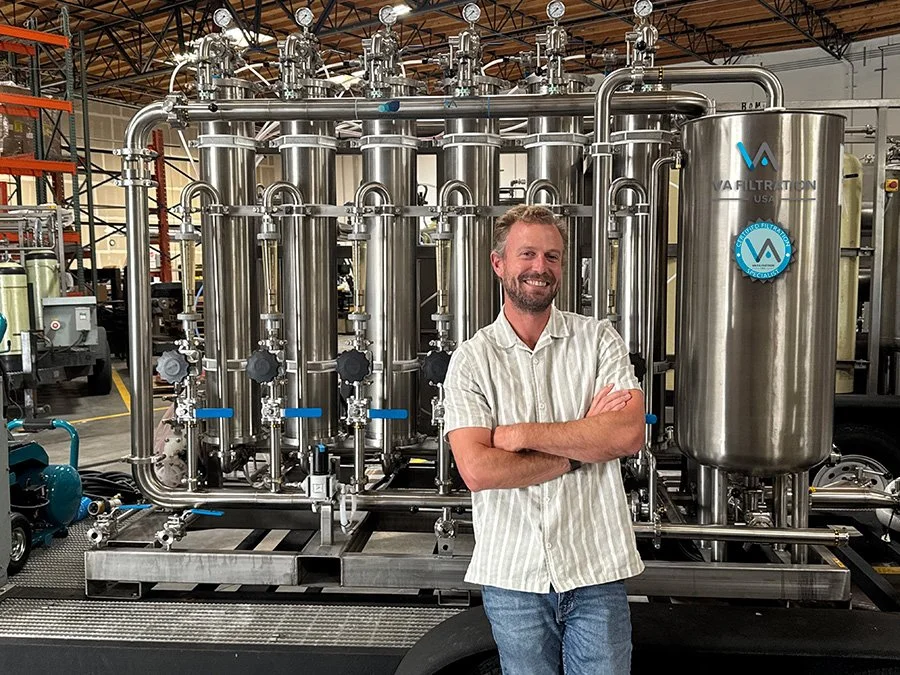
VA Filtration
VA Filtration is USA’s leading filtration technology experts with 18 years of experience in the wine industry.
-

Cellar Dweller
Based in Okanagan Falls, B.C., Cellar Dweller have been providing mobile filtration services for Pacific North West wineries for over a decade.
-

Vintech Pacific
Vintech Pacific is a New Zealand owned and operated company, providing a range of innovative technology processes to the wine industry.
-

Winesecrets
Since 2003 Winesecrets have been providing America’s wine producers with separation technologies that improve efficiency, eco-performance and wine quality, with unparalleled service, expertise and dedication.
Find out more
-

Remediating Off-Aromas from Frost Impacted Red Wines
Discover how frost taint occurs in wine, its impact on aroma and how amaea’s molecularly imprinted polymers are able to bring frost impacted wine back into varietal balance by reducing overly-floral and herbaceous characters.
-

Targeted molecular filtration restores stink bug affected wine back to its intended program
For Marisco Vineyards, one of New Zealand’s prized wineries, a Pinot Noir that had been severely impacted by a species of Pentatomidae, more commonly known as the Australasian green shield bug, was destined to be used in an unallocated blend. However, after using amaea RMx - a highly selective, molecular filtration technology - the wine was able to be remediated back to its intended program.
-

Selective Wine Remediation Technical Tasting Report
Off-aromas caused by factors such as frost, pyrazines, Brettanomyces, M.O.G., and smoke can significantly impact wine quality. amaea’s custom-engineered, molecularly imprinted polymers (MIPs) selectively removes unwanted molecules to naturally unmask wines’ desirable characters, helping recover its value.
In April 2025, Napa wine producers gathered to taste and provide their sensory feedback on a local winery’s pyrazine and smoke impacted wines commercially treated using amaea’s MIP solution.
-

Case study: Releasing green in Sonoma County
Cooler than average harvest conditions left a US winery with prevalent green aromas in their Cabernet Sauvignon. Looking for a solution focused on value recovery, they turned to amaea’s molecularly imprinted polymers. The result was a wine that offered more fruit-forward characters.
-

Winemakers reclaim wine quality and value with new molecular filtration tech
amaea’s new precision wine technology is changing how winemakers address quality challenges and recover value from fault-affected and heavily phenolic wines. A New Zealand developer of custom-engineered molecularly imprinted polymers (MIPs), amaea is gaining industry validation for its novel molecular filtration technology for precision wine remediation and palate fining.
-

Removing Brett-off aromas from affected wine
Spoilage yeast or a resourceful agent for sensory transformation? Our VP of Applied Research unpacks the sensory and financial impacts of Brettanomyces bruxellensis (Brett) on wine, as well as the considerations and methods for remediation.

