
amaea RMx for remediating oxidation in wine
Restore wine quality with selective molecular filtration.
Oxygen exposure shouldn’t end your vintage’s commercial potential. Whether it’s browning in whites, loss of vibrancy in reds, or Sherry-like characteristics developing where they don’t belong, oxidation in wine represents both a quality challenge and financial risk.
Regain aromatics, revive color, and reclaim your wine’s structural integrity with amaea.
What is wine oxidation treatment?
Precision treatment for wine oxidation
Wine oxidation treatment addresses the chemical and sensory consequences of unwanted oxygen exposure during production, storage, or handling. Unlike oxidative styles, such as aged Tawny or traditional Sherry, oxidation compromises wine quality through the formation of acetaldehyde, acetic acid (VA) and changes in polyphenols, leading to flattened aromas, browning, and nutty or bruised apple characteristics. These faults can be as problematic as Brettanomyces in wine smell.
amaea targets compounds responsible for oxidative aromas and flavors through molecular filtration, removing fault markers to bring forward the wine components you want to retain.
By using amaea for oxidized wine treatment, winemakers can:
Selectively reduce oxidation markers that compromise sensory quality.
Bring forward varietal aromatics and fresh fruit expression, restoring clarity to aroma compounds that can become muted or overshadowed by oxidative notes—including those associated with pyrazine in wine.
Revive color and structural balance.
Adjust treatment intensity to improve wine style and commercial goals.
Recover value from parcels that would otherwise likely require blending or disposal.
Molecular selectivity that improves wine quality
Traditional approaches to how to fix oxidized wine, such as sulfur dioxide additions, reverse osmosis, and active carbon, operate without molecular discrimination. SO₂ masks oxidation temporarily without removing fault compounds, while reverse osmosis and activated carbon strip oxidation markers alongside aromas, color, and other elements you want to keep.
amaea’s technology targets specific oxidation-related molecules while leaving the remaining varietal esters, tannins, and color compounds intact. Treatment rates adjust according to the wine type and oxidation severity, allowing winemakers greater control over sensory outcomes.
Regenerable technology for sustainable wine production
amaea’s oxidized wine fix system is regenerable, designed for multiple treatment cycles without impacting performance. Once amaea molecularly imprinted polymers (MIPs) reach saturation, an eluent regenerates them for reuse—eliminating the waste streams associated with single-use fining agents or disposable carbon filters.
This process delivers both environmental and operational benefits as wineries can reduce waste disposal requirements, lower consumable costs, and integrate the system into existing production workflows without major infrastructure investment.
For winemakers balancing quality recovery with sustainable practices, amaea offers a solution that ensures selective remediation while leaving minimal environmental impact.
FEATURED OXIDIZED WINE FIX CASE STUDY
From Oxidation to Opportunity: Precision Molecular Filtration Saves Hawke’s Bay Wine
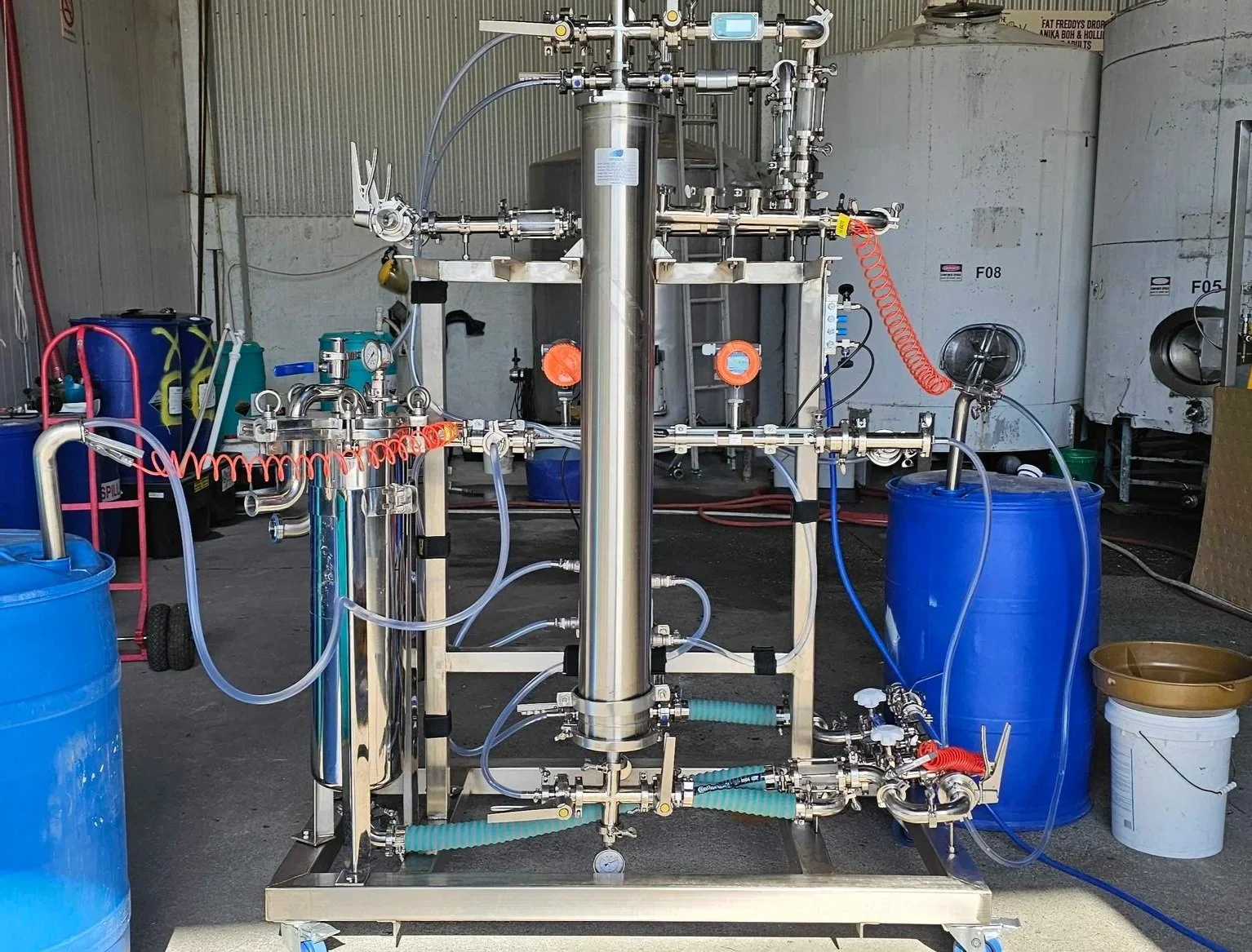
Prolonged storage left a Merlot at Paritua Wines showing early oxidation. Using amaea RMx molecular filtration, oxidized compounds were selectively removed, restoring fresh fruit character and palate structure turning previously unsellable wine into a blend-ready, marketable product.
Our service provider partners
We are proud to work alongside valued and trusted service providers to provide our molecular filtration services for you.
-

VA Filtration
VA Filtration is USA’s leading filtration technology experts with 18 years of experience in the wine industry.
-

Cellar Dweller
Based in Okanagan Falls, B.C., Cellar Dweller have been providing mobile filtration services for Pacific North West wineries for over a decade.
-

Vintech Pacific
Vintech Pacific is a New Zealand owned and operated company, providing a range of innovative technology processes to the wine industry.
-

Winesecrets
Since 2003 Winesecrets have been providing America’s wine producers with separation technologies that improve efficiency, eco-performance and wine quality, with unparalleled service, expertise and dedication.
Frequently asked questions about oxidized wine
-
Oxidation in wine only becomes problematic when it’s unintentional or excessive. Many celebrated wine styles, such as Sherry, Tawny Port, and Vin Jaune, rely on controlled oxidative processes to develop their distinctive nutty, caramelized, or dried fruit characters.
-
Oxidation is an irreversible chemical process, so true wine oxidation removal isn't possible. Once oxygen has reacted with wine compounds, those reactions can't be undone.
However, you can mitigate and minimize the sensory impacts of oxidation. amaea's molecular filtration technology selectively removes the fault compounds created by oxidation, such as acetaldehyde and other markers responsible for off-aromas and browning. As a result, winemakers can recover wine quality and commercial viability even after unwanted oxygen exposure has occurred.
-
characteristics mentioned above into wines designed for freshness and fruit expression, where they’re seen as faults rather than features.
Controlled oxidized wine treatment is a technique where oxygen exposure is carefully regulated to develop complexity, color stability, and characteristic flavors, without impacting wine quality.
When oxidation occurs unintentionally in non-oxidative styles, intervention becomes essential to preserve commercial viability and intended sensory profile.
-
Wines with lower phenolic content, particularly white and rosé wines, oxidize more rapidly than reds due to reduced natural antioxidation protection. Delicate aromatic varieties like Riesling, Pinot Grigio, and Sauvignon Blanc show oxidation sensitivity earlier than more robust styles.
Wine production choices also influence susceptibility. Extended lees contact, minimal sulfur regimes, and natural winemaking approaches can increase the risk of oxidation. Storage conditions, closure type, and handling practices during bottling or transport further impact a wine’s vulnerability to exposure. Early intervention with oxidized wine fix solutions ensures the best results.

Contact amaea and discover how to fix oxidized wine
Oxidation doesn’t have to mean lost value. Whether addressing premature aging or flattened fruit character, amaea delivers molecular precision for wine oxidation removal to preserve what matters.
As the proven choice for leading winemakers in New Zealand, the United States, and Canada, trust our regenerable filtration technology to protect the quality and commercial viability of your wine. Ready to explore treatment options? From addressing oxidized wine to wine rose taint solutions and removing smoke taint from wine, trust amaea’s technology.
Find out more
-

How molecular filtration works
Discover how our molecular filtration system works.
-

What are MIPs?
Learn about our MIP technology and how these cleverly designed smart beads capture target molecules.
-

Why winemakers are central to successful MIP applications
When our technology is in the hands of the winemaker, that is when the true magic happens. With the ability to tailor treatments with artisanal intent, winemakers are empowered to bring out the best in every wine to hit their cellar doors.


